

Serving Patients through GI Psychology
Madison Simons
Staff Psychologist at Cleveland Clinic鈥檚 Digestive Disease and Surgery Institute
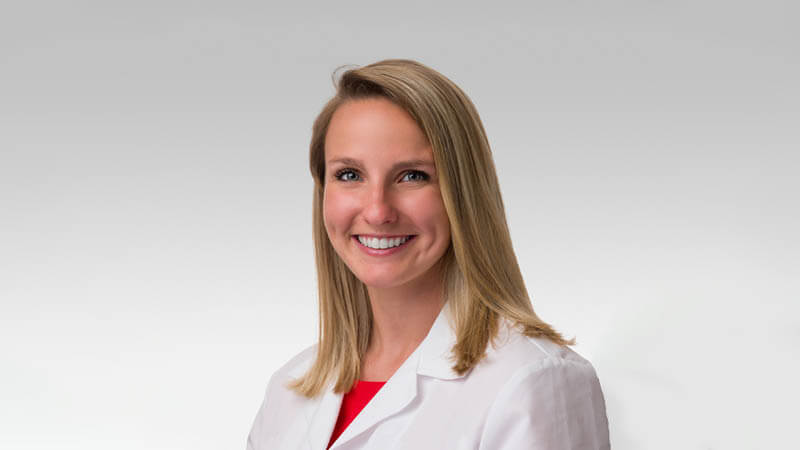
Madison Simons was asked what her goals were on the first day of her postdoctoral psychogastroenterology fellowship at Northwestern University in 2020. 鈥淚 said I would like to develop a GI behavioral medicine program at one of the top medical institutions in the country,鈥� says Simons, a graduate of 日韩乱伦鈥檚 Psy.D. in Clinical Psychology program. Just two years later, she landed her dream job.
Simons was recruited by Cleveland Clinic, among the top hospitals in the United States, to build an integrated gastroenterological (GI) behavioral medicine program in their esophageal and motility GI clinics.1 As a staff psychologist at Cleveland Clinic鈥檚 Digestive Disease and Surgery Institute, she is one of a handful of GI psychologists in the country. There are 鈥減robably less than 50 of us in the United States,鈥� says Simons.
What is GI psychology? Glad you asked. The area explores the 鈥渋ntersection of psychology and gastroenterology.鈥� Simons has helped patients with severe gastrointestinal symptoms leave a four-week treatment with 鈥渕inimal symptoms.鈥� And this is through a 鈥減urely psychological intervention,鈥� explains Simons.
鈥淚t鈥檚 the coolest application of psychology that I鈥檝e ever done,鈥� says Simons, who has also used interventions like hypnosis in cases of predominant pain.
This work is the culmination of a journey that began when Simons experienced severe food allergies and GI pain during her undergraduate years. Soon after, her father passed away from esophageal cancer. A desire to pursue an integrated Christian psychology program led her to 日韩乱伦, and everything began falling into place when she discovered nutritional psychology during her first year. She has persevered since, balancing her first pregnancy during the program, traveling with her baby Chandler around the country to interview for Psy.D. internships, and juggling family, school, and work.
Now a mother of three, Simons remembers the support she received at Regent and her clinical sites鈥攊ncluding the current dean strapping on her baby carrier and walking Chandler around campus. 鈥淚 felt known as a person and invested in for who I was,鈥� says Simons.
Today, she is touching the lives of her patients and helping them navigate severe health conditions.
Exploring the Mind-Gut Connection
Simons sees patients with both upper and lower gastrointestinal conditions. For instance, many patients with upper GI conditions have difficulty swallowing, with food getting stuck in the esophagus. This can be a scary sensation, especially for the first time, says Simons. You would associate it with choking or even dying. As a result, you could become hypervigilant, watching for any sensation in your esophagus that would suggest another episode was going to happen. You might avoid food groups or even start skipping meals. This hypervigilance can actually amplify symptoms, according to Simons.
鈥淲e鈥檙e using experiential exercises to help people identify their typical thinking patterns and see where that comes in with their esophageal symptoms,鈥� says Simons. 鈥淎m I someone who is focused on the small details of my esophagus and how it changes, or can I see the big picture?鈥�
For instance, if you walked into Simons鈥� office with chronic pain, part of her intervention may involve asking you to look at optical illusions on a screen. In these illusions, paying attention to just one part would make you miss another part. Simons would ask you what you see in the pictures. More importantly, what strategies did you use to see more images in them?
鈥淭he question is, in daily life, are there times when we pay so much attention to one aspect of this picture that we miss out on other things that are happening?鈥� It鈥檚 the same with symptoms and health. The intervention can equip patients with insights into how their perspective affects their symptoms.
“Regent trained me really well as a clinician in getting the types of clinical experiences that I needed and in building relationships.”
Simons also uses the 鈥減racticing imperfection鈥� technique. 鈥淐an I practice folding my shirt a different way; can I practice buying something without reading a ton of reviews; can I practice leaving a couple of dishes in the sink?鈥� These techniques help patients see that sometimes health or the management of symptoms may not be perfect. 鈥淏ut can I tolerate the distress of imperfection? And can I live out a valued life for myself despite the fact that I may continue to have symptoms?鈥� In doing so, patients don鈥檛 get tied to constantly trying to avoid symptoms. And the symptoms themselves start blending more into the background. “I’ve witnessed patients experience dramatic changes in their symptoms through psychological interventions.”
How It Began
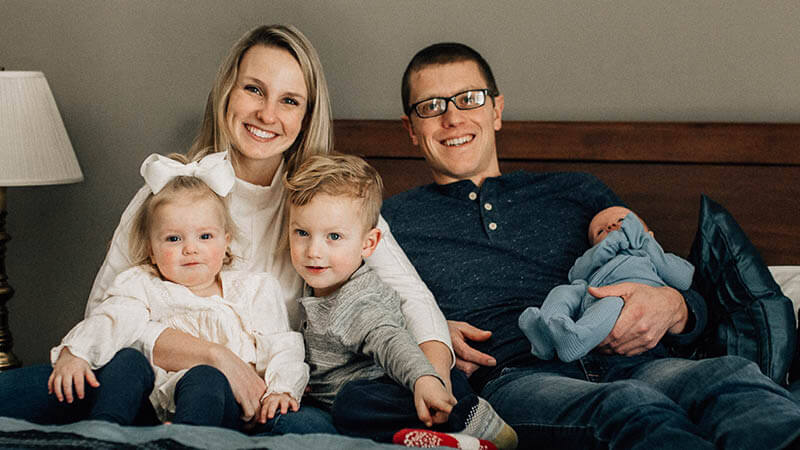
Simons will tell you that her most significant turning point took place during college. 鈥淚n a very short period of time, I had experienced severe chronic illness myself, and my father passed away soon after.鈥� Navigating her own digestive illness and losing her father to esophageal cancer triggered her interest in nutrition and food. Simons and her husband began collecting tips and tricks to help her manage her symptoms.
When Simons decided she wanted to pursue psychology in graduate school, she was sure about one thing鈥攕he wanted an integrated Christian psychology program. That narrowed the search to six programs, she says. She interviewed at all six and then prayed that the Lord would make the school she was supposed to go to clear. She got accepted at Regent.
鈥淚 see that as directly feeding into where I am now. I would not have known about nutritional psychology had I not gone to Regent,鈥� says Simons. Regent鈥檚 APA-accredited Psy.D. in Clinical Psychology program is structured to allow students who have earned their bachelor鈥檚 to combine their master鈥檚 and doctoral degrees. Simon鈥檚 initial intention of studying marriage counseling changed when she learned about health psychology and then nutritional psychology. The latter delves into how nutrients affect our mental and physical health.
How did she learn about nutritional psychology? During her first year in the program, a fourth-year student who had become certified in this branch of psychology contacted Simons with the prospect of conducting research with her. And there was no looking back.
鈥淣utritional psychology pulled together all the pieces together that my husband, Joel, and I had been learning over several years. I started seeing this journey to wellness again,鈥� says Simons.
Her focus on nutritional psychology helped Simons gain a coveted position as a postdoctoral fellow at Northwestern University. 鈥淚n the year that I started, I would be the only postdoctoral fellow in GI psychology in the United States,鈥� she says, since Northwestern was the only university offering such a program at the time.
Simons began her fellowship in 2020, right at the pandemic’s beginning. And for her predoctoral internship, she worked at the Jesse Brown Department of Veterans Affairs Medical Center in downtown Chicago.
Though Simons was onsite two half-days a week, all of her research was done via telemedicine due to the pandemic. Having to transition her pilot intervention to a completely virtual format was transformative.
Simons and fellow researchers noticed 鈥渄ramatic improvements鈥� in symptoms during four-week telemedicine interventions. These improvements showed telemedicine was effective in GI psychology. 鈥淚t has paved the way so that most of the work we do as GI psychologists can happen online.鈥�
Simons explains that coming to downtown Chicago for weekly treatment is inconvenient for patients. The parking is expensive; there鈥檚 a lot of driving and traffic involved. 鈥淚f we can administer the treatment online, it鈥檚 a huge benefit for patients, and we didn鈥檛 see any downsides to doing it that way.鈥�
Equipped for Her Calling
Regent equipped Simons to pursue her calling in a couple of ways, she鈥檒l tell you. 鈥淚 think the biggest way they prepared me is the flexibility they allowed me to explore my interest. Nutritional psychology wasn鈥檛 something Regent had embedded, but they supported me in that journey. And that exclusively is what I feel set me up to be in my current role 鈥� having had that training.鈥�
Simon believes it鈥檚 the training she received at Regent and other experiences that set her apart from other candidates for her role. 鈥淩egent trained me really well as a clinician in getting the types of clinical experiences that I needed and in building relationships.鈥�
While she felt like 鈥渁 number in the classroom鈥� during her undergraduate years in a large public research university, her experience was completely different at Regent. 鈥淚 felt known as a person and invested in for who I was.鈥�
She also felt supported when her family grew during the program. 鈥淚f I had meetings, Chandler came with me. I would put him down as soon as I came to the Classroom Building, and he would crawl to the professors鈥� offices that he knew had food or toys for him,鈥� says Simons.
Simons recalls Dr. Ord, dean of the School of Psychology & Counseling, strapping him in the baby carrier and walking him around campus. She also credits Elizabeth Chute, Psy.D. academic manager for putting her son in the baby stroller and walking him around.
Eight babies were born to students in the Psy.D. program in the year that Chandler was born, which helped form a supportive community.
Future Plans
Ask Simons about the road ahead, and she smiles. 鈥淭his job at Cleveland Clinic was my dream job,鈥� she says. She may move into a consulting role down the road. But for now, she鈥檚 happy in her position, serving her patients and furthering GI psychology through research.
Reference:
1 Rachel Stephens. (2022, January 28). Madison Simons, PsyD – Staff Psychologist, Digestive Disease and Surgery Institute, Cleveland Clinic [Video]. Youtube.